
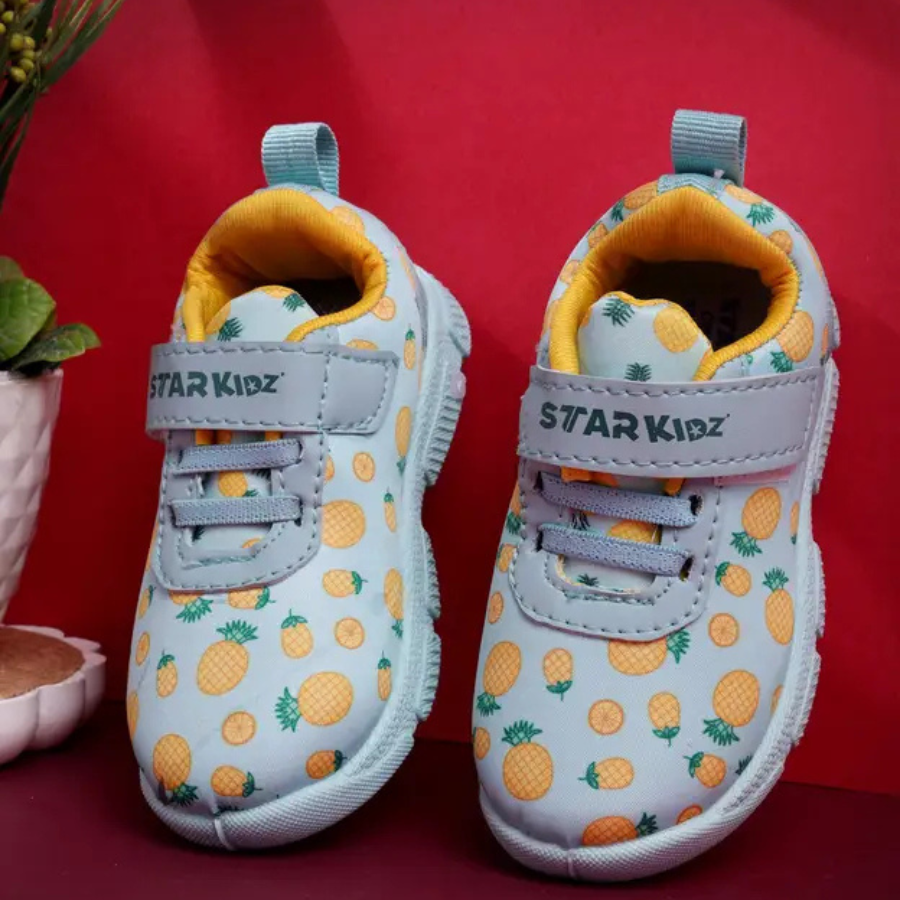
One of the most common questions parents ask is, "Which shoes are best for growing kids?" The answer goes far beyond choosing a shoe that simply looks good or matches a school uniform.
A child's feet are constantly growing and changing. During the early years, children's feet can grow several sizes within a short period. These developmental years are critical because the feet form the foundation for posture, balance, movement, and overall physical growth.
Many parents unknowingly buy shoes that are either too tight, too loose, too heavy, or not designed for active growing feet. While these choices may seem harmless at first, improper footwear can affect comfort, walking patterns, confidence, and even long-term foot health.
The right footwear allows children to run, jump, learn, explore, and grow without limitations. This guide will help you understand exactly what to look for when choosing footwear for your child and how to ensure their growing feet receive the support they deserve.
Why Proper Footwear Matters for Growing Kids
- Impact on Posture: A child's posture begins from the ground up. Poorly designed shoes can affect the way children stand and walk, placing unnecessary stress on their feet, knees, and lower back. Well-fitted shoes help distribute body weight evenly and encourage proper alignment, which becomes increasingly important as children grow and become more active.
- Walking and Running Development: Children learn movement through practice. Every step they take helps develop coordination and balance. Shoes that are too stiff can restrict natural movement, while shoes that are too loose may create instability. Proper kids' footwear allows the foot to move naturally while providing adequate support during everyday activities.
- Foot Health and Natural Growth: Children's bones are softer and more flexible than those of adults. During growth years, their feet require space and freedom to develop naturally. A well-designed shoe supports healthy development while minimizing pressure points and discomfort.
- Comfort and Confidence: When children are comfortable, they move confidently. Whether they are participating in sports, attending school, or playing with friends, comfortable footwear helps them stay active and focused. Children wearing properly fitted shoes tend to be more energetic and less likely to complain about foot pain or fatigue.

Key Features Parents Should Look for in Kids' Shoes
1. Proper Fit and Sizing
Fit should always be the top priority. A good shoe should provide enough room for the toes to move freely while keeping the heel secure. Ideally, there should be approximately a thumb's width of space between the longest toe and the front of the shoe. Remember that children's feet can grow quickly, so regular measurements are essential.
2. Lightweight Construction
Heavy shoes can make children tire more quickly and may interfere with natural movement. Lightweight kids' shoes allow children to walk, run, and play comfortably throughout the day without feeling weighed down.
3. Flexible Soles
The sole should flex easily at the ball of the foot. Flexible soles support natural movement and help children develop better balance and coordination. A simple test — try bending the shoe in half. If it bends easily, it is good for growing feet.
4. Breathable Materials
Children are naturally active, which means their feet can become sweaty during daily activities. Breathable materials help improve airflow, keeping feet cooler, fresher, and more comfortable throughout the day.
5. Cushioned Insoles
Good cushioning absorbs impact during walking, running, and jumping. A cushioned insole enhances comfort while reducing pressure on developing feet during long school hours or play sessions.
6. Non-Slip Outsoles
Safety is just as important as comfort. Shoes with reliable grip help prevent slips and falls, especially during playground activities, sports, or wet floor conditions at school.
7. Arch and Heel Support
Gentle arch and heel support provides stability and comfort during daily movement. This is especially important for children between 6 to 14 years when the foot's natural arch is actively developing.
8. Durable Design
Growing children can be surprisingly tough on shoes. Look for durable stitching, quality materials, and sturdy construction that can handle daily wear and tear without losing shape or support.
Common Mistakes Parents Make When Buying Kids' Shoes
1. Buying Oversized Shoes
Many parents intentionally purchase larger shoes, hoping their child will grow into them. Unfortunately, shoes that are too large can lead to instability, tripping, and poor walking habits. Always buy shoes that fit correctly at the time of purchase.
2. Choosing Style Over Comfort
Stylish shoes are great, but comfort should always come first. Children often spend several hours a day in their footwear, making comfort a non-negotiable factor.
3. Ignoring Foot Measurements
Assuming your child's shoe size remains unchanged for months can be a costly mistake. Regular measurements help ensure the right fit at every stage of growth.
4. Using Hand-Me-Down Footwear
Hand-me-down shoes carry the wear patterns of another child's foot. Over time, the insole and sole mold to the previous wearer's walking style. When a new child wears these shoes, those patterns can negatively influence their walking posture and balance.
5. Not Replacing Worn-Out Shoes
Worn soles, damaged cushioning, and stretched materials reduce support and comfort significantly. Parents should regularly inspect shoes for signs of wear and replace them promptly.

Types of Shoes Best for Growing Kids
- Sports Shoes: Sports shoes are ideal for running, jumping, and high-energy activities. They offer enhanced cushioning, grip, flexibility, and support specifically designed for active kids who need performance-ready footwear.
- School Shoes: School shoes for kids should balance comfort, durability, and smart appearance. Since children often spend six to eight hours wearing school shoes, proper fit and cushioning are especially important. A good school shoe should feel as comfortable at the end of the day as it did in the morning.
- Casual Shoes: Casual shoes are perfect for family outings, social events, and daily activities. Look for versatile designs that combine comfort and style without sacrificing foot support.
- Sandals: Sandals are excellent for warmer weather, offering breathability and freedom of movement. Always choose sandals with secure straps and supportive soles rather than flat, unsupported designs.
- Everyday Play Shoes: Children need shoes specifically designed for playground adventures and outdoor exploration. Durability, flexibility, and traction are the three most important features to look for in everyday play shoes.
How to Know if Your Child's Shoes Fit Correctly
1. Signs of a Good Fit
- Toes move comfortably.
- The heel stays secure.
- Child walks naturally.
- No rubbing or pressure marks.
- The child does not complain about discomfort.
2. Signs Shoes Are Too Small
- Red marks on feet.
- Toes appear cramped.
- Complaints of pain.
- Frequent tripping.
- Reluctance to wear shoes.
3. Signs Shoes Are Too Large
- Heel slipping.
- Child shuffles while walking.
- Frequent stumbling.
- Excessive movement inside the shoe.
4. Parent Checklist
Before purchasing footwear, ask:
- Is there enough toe room?
- Does the heel stay secure?
- Is the shoe lightweight?
- Does the sole bend easily?
- Can my child walk comfortably?
If the answer is yes to all of these questions, you're likely making a good choice.
Why Lightweight and Flexible Shoes Are Better for Kids
1. Natural Foot Movement
- Children's feet are designed to move naturally and freely
- Heavy or rigid footwear restricts this natural motion
- Can interfere with how a child walks, runs, and balances over time
- Lightweight shoes allow the foot to function the way it is meant to without unnecessary restrictions
2. Improved Balance and Coordination
- Flexible shoes give children better ground awareness with every step
- When the sole bends naturally with the foot, children develop stronger balance and agility
- Helps build coordination more effectively during daily activities
- Especially important during early school years when motor skills are still developing
3. Reduced Fatigue During Play
- Children spend a large portion of their day on their feet
- Running in playgrounds, walking between classrooms, playing after school
- Lightweight footwear reduces the energy required to lift and move their feet
- Helps children stay active and energetic for longer periods without feeling tired
4. Better Comfort Throughout the Day
- Whether in school, at the playground, or out with family, lightweight shoes make a real difference
- A comfortable child stays more active, focused, and confident
- Heavy shoes cause unnecessary fatigue even during simple daily movement
- This is why modern children's footwear increasingly focuses on lightweight materials and flexible construction

How Often Should Parents Replace Their Child's Shoes?
Children's feet grow rapidly, and worn-out shoes lose their ability to support healthy development. Here is a simple guide based on age and wear:
|
Age Group |
Replacement Frequency |
|
Toddlers (1–3 years) |
Every 3–6 months |
|
Preschoolers (3–5 years) |
Every 4–8 months |
|
School-age children (6–12 years) |
Every 6–12 months |
|
Active or sports children |
More frequently based on wear |
Also replace shoes immediately when you notice worn-out soles, reduced cushioning, torn materials, uneven wear patterns, or loss of support — regardless of how recently they were purchased.
Tips for Choosing the Perfect Shoes by Age Group
- Toddlers (1–3 Years): At this stage, flexibility is the most important feature. Toddlers are still learning to walk and need shoes that allow natural foot movement. Choose lightweight designs with plenty of toe space and easy fastening systems like velcro.
- Preschool Children (3–5 Years): Preschoolers are more active and need shoes that offer both stability and comfort. Select durable materials that can handle playground use while still encouraging natural movement.
- School-Going Kids (6–12 Years): This is the longest and most demanding phase for footwear. Invest in quality school shoes with proper cushioning, arch support, and durability. Check the fit every 3 to 4 months as feet grow quickly during these years.
- Active and Sports-Loving Children: Choose activity-specific sports shoes with enhanced grip, shock absorption, and lateral support. Replace footwear more frequently if heavily used, as the cushioning wears down faster with intense activity.
Why Parents Trust Starkidz for Growing Kids
At Starkidz, every shoe is designed with one goal in mind — giving growing children the comfort, support, and freedom they need to move confidently every day.
Here is what makes Starkidz different:
- Quality Materials — Carefully selected materials that prioritize both comfort and long-term durability
- Lightweight Construction — Designed to support natural movement without adding unnecessary weight
- Comfort-First Engineering — Every design decision starts with how the child will feel wearing the shoe all day
- Child-Friendly Features — Easy closures, flexible soles, breathable uppers, and secure fits for everyday wear
- Healthy Foot Development Focus — Every shoe is built with growing feet in mind, not just appearance
- Affordable Pricing — Quality footwear that is accessible to every family

Frequently Asked Questions (FAQs)
1. Which shoes are best for growing kids?
The best shoes for growing kids are lightweight, flexible, breathable, and properly fitted. They should support natural foot development, provide cushioning for daily activities, and have non-slip soles for safety. Avoid shoes that are too stiff, too heavy, or too large.
2. How do I know if my child's shoes fit correctly?
A correctly fitting shoe should have a thumb's width of space at the toe, a secure heel with no slipping, and enough room for toes to move freely. Your child should be able to walk naturally without shuffling or complaining of discomfort.
3. Should I buy bigger shoes so my child can grow into them?
No. Oversized shoes cause instability, tripping, and poor walking habits. Always buy shoes that fit properly at the time of purchase. A small amount of toe room is fine, but the heel and midfoot should fit securely.
4. How often should I replace my child's shoes?
Toddlers may need new shoes every 3 to 6 months, preschoolers every 4 to 8 months, and school-age children every 6 to 12 months. Also replace shoes immediately if the sole is worn out, cushioning is flat, or the fit feels tight.
5. Are flexible soles important for kids' shoes?
Yes. Flexible soles allow natural foot movement and help children develop better balance and coordination. A shoe that bends easily at the ball of the foot is a good sign. Rigid soles restrict movement and can interfere with healthy foot development.
6. What is the best material for growing kids' shoes?
Breathable mesh or high-quality synthetic material works best. These materials keep feet dry, reduce odor, handle daily wear and tear, and prevent discomfort caused by heat and sweat during active play.
7. Can hand-me-down shoes affect my child's foot development?
Yes. Used shoes carry the wear patterns of the previous wearer. These patterns can influence how your child walks and may cause imbalance or discomfort. It is always better to buy new shoes for each child.
8. At what age does arch support become important?
Arch support becomes especially important between 6 to 14 years when the foot's natural arch is actively developing. During this period, proper support helps maintain good posture, prevents flat feet, and reduces heel pain after long activity.
9. Are sports shoes good for everyday wear?
Sports shoes can be used for everyday wear if they are lightweight, comfortable, and properly fitted. However, for school use, dedicated school shoes with smart appearance and all-day comfort are a better choice.
10. How do I choose the right shoes for my toddler?
For toddlers, prioritize flexibility, lightweight construction, and plenty of toe space. Velcro straps are ideal for easy wearing and removal. Avoid stiff soles or heavy designs as they can interfere with natural walking development at this stage.
Conclusion
So, which shoes are best for growing kids? The answer is simple — shoes that fit properly, support healthy development, allow natural movement, and provide lasting comfort throughout the day.
The right footwear during childhood can positively influence posture, movement, confidence, and overall foot health for years to come. Do not compromise on fit or comfort for the sake of price or appearance.
At Starkidz, we understand that every step matters during a child's growth journey. Our footwear combines comfort, support, durability, and thoughtful design to help children move freely and confidently every single day.
Ready to find the perfect fit for your child? Explore the Starkidz Kids' Shoe Collection or use our Size Guide to choose the right size for your child's age and activity level.
View Also This Product

Share:
How to Choose the Right Shoe Size for Kids
How to Choose the Best Shoes for School-Going Children