
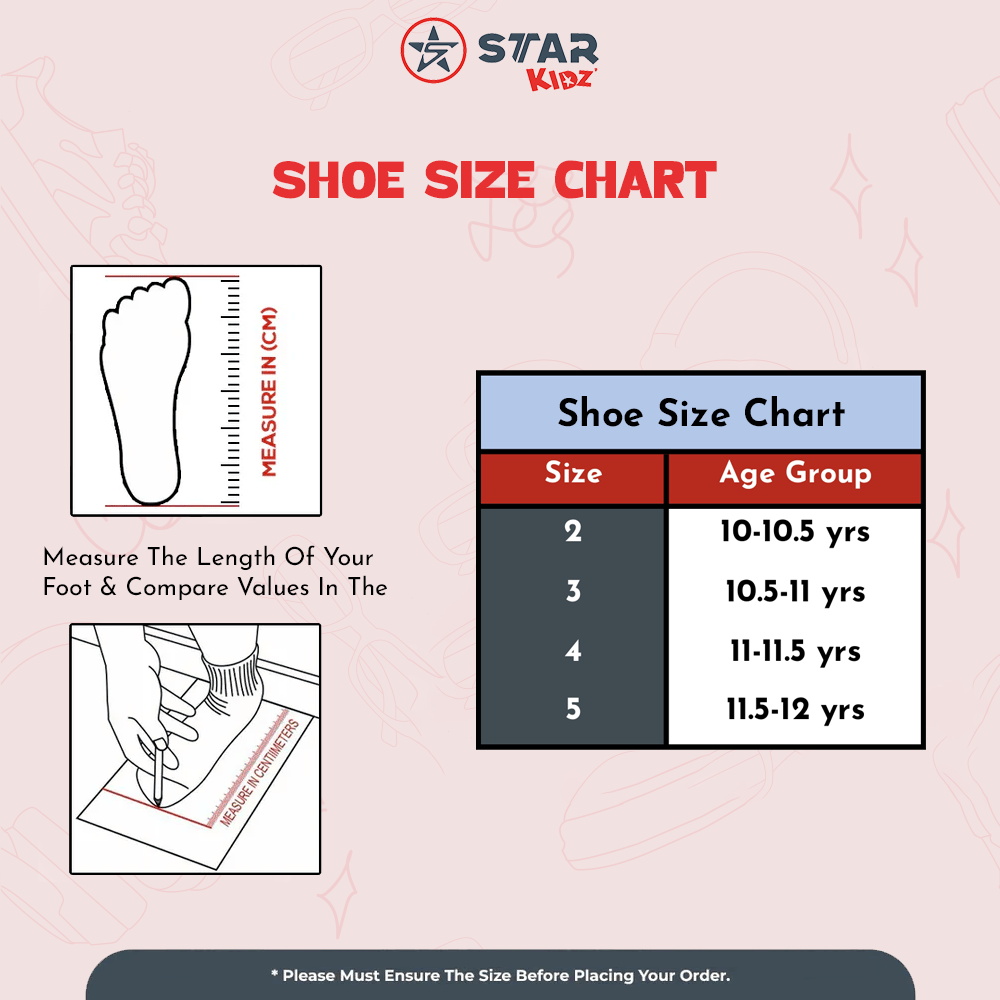
Choosing the right shoe size for children may look like a simple shopping decision, but in reality, it plays a crucial role in a child’s foot development, posture, comfort, and long-term walking habits. Based on years of experience in children's footwear design and sizing guidance, proper shoe fitting remains one of the most overlooked aspects of child comfort and development.
At Starkidz, we understand the importance of proper shoe fitting and how incorrect shoe sizing can affect a child's comfort, posture, and overall walking experience. That’s why this guide is designed to help parents make informed, practical, and stress-free decisions when choosing the right shoe size for their child.
This article will walk you through everything, from measuring your child’s foot at home to understanding growth patterns and avoiding common mistakes, so you can confidently choose the perfect fit every time.
Why Choosing the Right Shoe Size for Kids Is So Important
A child’s foot is not just a smaller version of an adult foot—it is still developing. The bones are softer, the arch is forming, and the muscles are strengthening. This means the wrong shoe size can have a much bigger impact than most parents realize.
- Supports Healthy Foot Development: A properly fitted shoe allows natural movement and growth. Tight shoes can compress developing bones, while oversized shoes can cause instability and incorrect walking patterns.
- Improves Posture and Balance: Foot alignment directly affects the knees, hips, and spine. The wrong shoe size can lead to poor posture over time.
- Prevents Discomfort and Pain: Children may not always complain, but signs like irritation, frequent tripping, or avoiding shoes often indicate sizing issues.
- Boosts Confidence in Movement: Comfortable shoes help children run, jump, and play freely without hesitation. At Starkidz, we design footwear with the understanding that comfort and correct sizing are not optional; they are essential for healthy childhood development.
Common Mistakes Parents Make While Buying Kids’ Shoes
Even well-informed parents sometimes make sizing mistakes. Here are the most common ones we see:
- Buying Shoes Based on Age Only: Every child grows differently. A 5-year-old’s foot size can vary significantly from that of another 5-year-old.
- Choosing “Room to Grow” Shoes That Are Too Big: While a little extra space is good, overly loose shoes can cause slipping, instability, and blisters.
- Ignoring the Width of the Foot: Many parents focus only on length, but foot width is equally important.
- Not Measuring Feet Regularly: Children’s feet can grow half a size or more in just a few months.
- Assuming Brand Sizes Are Universal: Different brands may have slightly different sizing charts. At Starkidz, we always recommend measuring the child’s foot every 2–3 months for younger kids and every 4–6 months for older ones.

How to Measure a Child’s Foot at Home (Step-by-Step Guide)
You don’t need special equipment to measure your child’s foot accurately. Follow this simple method:
- Step 1: Place the Foot on a Flat Surface: Ask your child to stand barefoot on a sheet of paper placed on a hard floor.
- Step 2: Trace the Foot Outline: Hold a pencil straight and trace around the foot carefully. Make sure the child is standing straight.
- Step 3: Mark Heel and Toe Points: Identify the longest toe and heel point.
- Step 4: Measure Length: Use a ruler to measure the distance in centimeters.
- Step 5: Measure Both Feet: Always measure both feet. One foot is often slightly larger.
- Step 6: Add Growth Allowance: Add about 0.5 cm to 1 cm for comfort and growth.
This is the most reliable way to find the correct kids' shoe size guide rather than guessing based on age.
How Often Should You Check Kids’ Shoe Size?
Children grow faster than most parents expect.
- Ages 1–3 years: Every 2–3 months
- Ages 4–6 years: Every 3–4 months
- Ages 7–12 years: Every 4–6 months
Growth spurts can happen suddenly, especially during school-age years. A shoe that fit perfectly last season may become tight in just a few weeks.
Understanding the Right Fit: What Should a Perfect Kids’ Shoe Feel Like?
A well-fitted shoe should feel comfortable from the moment the child wears it. Here are the key indicators:
- Toe Space: There should be about a thumb’s width (0.5–1 cm) of space in front of the longest toe.
- Heel Fit: The heel should not slip while walking or running.
- Midfoot Support: The shoe should gently hold the middle of the foot without squeezing it.
- Flexibility: The sole should bend naturally at the toe area.
- No Pressure Points: No part of the shoe should pinch or rub the foot.
At Starkidz, every design is tested to ensure it supports natural movement while maintaining structure and safety.
Signs Your Child Is Wearing the Wrong Shoe Size
Children often cannot explain discomfort clearly. Watch for these signs:
- Frequent removal of shoes
- Complaints of pain in toes or heels
- Red marks or blisters on the feet
- Toe nails appearing pressed or damaged
- Walking unusually or limping slightly
- Shoes wearing out unevenly
If you notice any of these signs, it is time to recheck sizing immediately.

Age vs Actual Foot Measurement: What Should You Trust?
Many parents rely on age-based sizing charts, but this can be misleading.
Why Age-Based Sizing Fails:
- Children grow at different rates
- Genetics plays a major role
- Nutrition and activity level affect foot development
What Works Better:
Always rely on actual foot measurement instead of age.
A well-measured foot ensures better comfort, stability, and long-term health.
Tips for Buying Kids’ Shoes Online vs Offline
Buying Online:
- Always check the size chart carefully
- Read product descriptions for fit type (narrow, regular, wide)
- Measure foot before ordering
- Check the return/exchange policy
Buying Offline:
- Let the child walk in the shoes
- Check both standing and walking fit
- Try shoes in the evening when feet are slightly larger
Whether online or offline, the goal remains the same: accurate fit over guesswork.
Importance of Toe Space, Arch Support, and Flexibility
- Toe Space: Prevents crowding and supports natural toe movement.
- Arch Support: Helps in proper weight distribution and prevents flat foot issues.
- Flexibility: Ensures natural walking motion and reduces fatigue.
At Starkidz, our design philosophy is simple: a child’s shoe should move with the foot, not against it.
Seasonal Considerations for Kids’ Shoe Size
- Summer: Feet may swell slightly due to heat—breathable and slightly roomy shoes are ideal.
- Winter: Thicker socks may require slightly more space.
- Monsoon: Ensure proper grip and waterproof material without compromising fit. Seasonal changes may seem small, but they can affect shoe comfort significantly.
School Shoe Fitting Advice for Parents
School shoes are worn for long hours, so fit is extremely important:
- Never buy too-tight “formal fit” shoes
- Choose breathable materials
- Ensure proper cushioning for long standing hours
- Replace shoes once they show wear inside
A good school shoe supports a child throughout their active school day without discomfort.

Expert Final Advice from Starkidz
After decades of experience in children’s footwear, one truth remains constant:
A correctly sized shoe is one of the most important investments in a child’s healthy growth.
Parents often spend time choosing stylish shoes, but the real priority should always be fit, comfort, and support.
At Starkidz, we believe every child deserves footwear that supports their natural movement, protects their growing feet, and gives them the confidence to explore the world freely.
Conclusion
Choosing the right shoe size for kids is not just a shopping task—it is a responsibility. With proper measurement, regular checks, and attention to comfort, parents can ensure their child’s feet develop healthily and naturally.
Remember:
- Measure regularly
- Avoid age-only sizing
- Focus on comfort and space
- Watch for signs of discomfort
- Prioritize quality footwear
When you follow these principles, you are not just buying shoes; you are supporting your child’s growth journey.
And that is exactly the philosophy we follow at Starkidz: comfort today, healthy steps tomorrow.
Frequently Asked Questions (FAQs)
1. How do I know if my child is wearing the correct shoe size?
A correctly sized shoe should provide about 0.5–1 cm of space in front of the longest toe, fit securely around the heel, and feel comfortable without causing pressure or rubbing. Your child should be able to walk, run, and play comfortably without any signs of discomfort.
2. How often should I measure my child's feet?
Children's feet grow quickly, especially during their early years. It is recommended to measure their feet every 2–3 months for toddlers and every 4–6 months for older children. Regular measurements help ensure that shoes continue to fit properly as your child grows.
3. How much room should kids have in their shoes?
Kids' shoes should have approximately a thumb's width (0.5–1 cm) of space between the longest toe and the front of the shoe. This allows natural foot movement, prevents pressure on the toes, and provides room for healthy growth without compromising comfort.
4. What type of shoes are best for kids?
The best shoes for kids are lightweight, breathable, flexible, and comfortable. They should provide proper cushioning, non-slip grip, and adequate support while allowing natural foot movement. Choosing activity-appropriate footwear also helps support healthy foot development.
5. Can wearing the wrong shoe size affect a child's posture?
Yes. Shoes that are too tight or too loose can affect balance, walking patterns, and overall posture. Over time, poorly fitted footwear may lead to discomfort and place unnecessary stress on growing feet, ankles, and legs.
6. What are the signs that my child's shoes are too small?
Common signs include red marks on the feet, blisters, toe discomfort, complaints of tightness, difficulty walking, or frequent removal of shoes. If your child appears uncomfortable or their shoes leave pressure marks, it may be time for a larger size.
7. Is it okay to buy shoes one size bigger for kids?
A small amount of extra space is beneficial, but shoes that are significantly larger than the child's foot can cause slipping, instability, and discomfort. It is best to choose a size that allows for growth while still providing a secure fit.
8. Why is foot width important when choosing kids' shoes?
Foot width plays an important role in overall comfort and support. A shoe that fits well in length but is too narrow or too wide can cause discomfort, rubbing, and an improper fit. Always consider both foot length and width when selecting shoes.
9. What is the easiest way to measure a child's foot at home?
Place your child's foot on a sheet of paper and trace around it while they are standing. Measure the distance from the heel to the longest toe and compare it with the brand's size chart. Measuring both feet ensures a more accurate fit.
10. Should I choose shoe size based on my child's age?
No. Children's feet grow at different rates, so age-based sizing should only be used as a general reference. Measuring your child's feet and comparing the measurements with the brand's size chart is the most reliable way to find the correct shoe size.
11. What is the best time of day to measure a child's feet?
The best time to measure a child's feet is in the evening, as feet naturally expand slightly throughout the day. This helps ensure a more accurate measurement and prevents buying shoes that may feel tight later.
12. How can I make sure my child's shoes remain comfortable as they grow?
Check your child's shoe fit regularly, monitor for signs of discomfort, and measure their feet every few months. Choosing high-quality footwear with adequate cushioning, flexibility, and room for growth can help maintain comfort as your child develops.
View Also This Product

Share:
Best Kids' Footwear Brand in India
Which Shoes Are Best for Growing Kids | Starkidz