
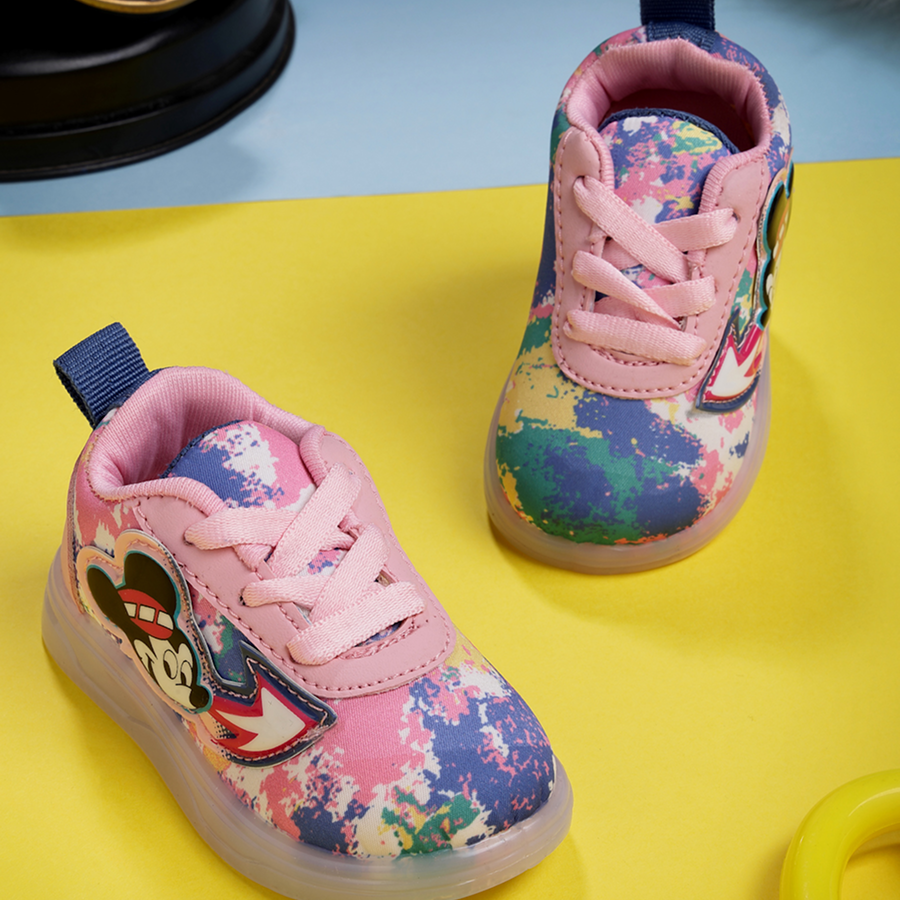
Children rarely slow down. They run during playtime, move between classrooms, attend activity classes and spend hours wearing the same pair of shoes. By the time they return home, their socks may feel damp and their shoes may carry an unpleasant smell.
Sweaty feet are common in active children, particularly during warm and humid weather. The problem can become more noticeable when shoes are tight, made from poorly ventilated materials or worn continuously without enough time to dry.
Choosing suitable kids’ shoes for sweaty feet can help create a more comfortable environment inside the footwear. Breathable materials, a proper fit, removable insoles and regular shoe rotation can all make day-to-day management easier.
However, shoes cannot completely stop the feet from sweating. Parents also need to consider socks, foot hygiene, weather and how the shoes are cleaned and stored. This guide brings those factors together so families can make a practical footwear choice without falling for exaggerated claims.
Why Do Children’s Feet Sweat So Much?
Sweating is the body’s natural way of managing temperature. A child who is running, walking or playing in warm weather will naturally perspire, including around the feet.
The moisture becomes more noticeable because feet remain enclosed inside socks and shoes. If air cannot circulate and the sweat cannot evaporate, the inside of the shoe may stay warm and damp.
Common reasons for sweaty feet in children include:
- Hot or humid weather
- Running and physical activity
- Long school hours
- Tight or poorly fitted shoes
- Non-breathable footwear
- Wearing the same shoes every day
- Socks that remain damp
- Hormonal changes during puberty
- Naturally high levels of perspiration
Sweaty feet do not automatically mean that a child has an infection or medical condition. However, persistent excessive sweating can sometimes be associated with hyperhidrosis, a condition in which the body sweats more than is needed for temperature control.
Can Sweaty Feet Cause Foot Odour?
Sweat itself does not always have a strong smell. Foot odour often develops when sweat remains on the skin and bacteria begin breaking it down.
The NHS guidance on smelly feet explains that odour is commonly linked to a build-up of sweat and bacteria. Fungal infections such as athlete’s foot can also produce itching, peeling, cracked skin or a musty smell.
A damp shoe worn repeatedly without drying can hold moisture in the lining and insole. Even when a child starts the day with clean feet and fresh socks, the footwear may already contain moisture from the previous use.
This is why managing sweaty feet involves three connected steps:
- Choosing suitable shoes
- Wearing clean, appropriate socks
- Allowing footwear to dry properly
Replacing shoes alone may not solve the problem if damp socks or poor drying habits continue.

What to Look for in Kids’ Shoes for Sweaty Feet
Footwear for a child who sweats heavily should be selected with ventilation and everyday practicality in mind. No shoe can guarantee completely dry feet, but certain features can reduce the amount of heat and moisture trapped inside.
Breathable Upper Material
The upper is the part of the shoe covering the top and sides of the foot. Breathable uppers allow more air movement than completely sealed materials.
Depending on the shoe and its purpose, parents can look for:
- Mesh panels
- Fabric uppers
- Canvas
- Natural leather
- Ventilated cut-out designs
- Open or semi-open casual footwear
The American Podiatric Medical Association recommends breathable materials such as mesh and leather for children’s footwear because they can accommodate higher levels of perspiration better than non-breathable synthetic materials.
Not every part of a shoe needs to be open. School shoes and closed-toe footwear can still have breathable sections or moisture-conscious construction while providing the coverage required for the activity.
A Proper, Non-Restrictive Fit
Shoes that are too tight can reduce air movement and create additional pressure around the toes and sides of the foot. A child’s walking movement may also feel uncomfortable when the foot is squeezed inside the shoe.
Measure both feet and use the longer measurement when checking the brand’s size chart. The toes should have room to rest naturally, while the heel should remain reasonably secure.
Avoid buying a shoe that is much too large. Excessive movement can create friction, and a loose shoe does not necessarily feel cooler or more comfortable.
Removable Insoles
Insoles absorb a considerable amount of moisture during wear. A removable insole can be taken out after use, allowing both the insole and the inside of the shoe to air more effectively.
Depending on the product’s care instructions, removable insoles may also be easier to clean or replace. They should be completely dry before being placed back inside the footwear.
Parents should regularly check for:
- Dampness
- Strong odour
- Visible dirt
- Loss of shape
- Cracks or worn sections
An insole should not be reinserted while wet because it can keep the interior damp for longer.

Lightweight Construction
Heavy shoes can feel warmer during long periods of activity. A lightweight pair may be more comfortable for children who spend much of the day walking or playing.
Weight should not be considered alone. The shoe still needs an appropriate sole, secure fastening and enough durability for its intended use.
Secure and Adjustable Fastening
A fastening such as Velcro, laces or a drawstring can help keep the shoe secure without requiring parents to select a tight-fitting design.
The closure should hold the foot in place while still feeling comfortable across the upper. If the strap leaves deep marks or the child complains of pressure, loosen it and check whether the size or shoe shape is appropriate.
A Design That Can Dry Easily
Some shoes take much longer to dry because of thick padding, enclosed construction or materials that retain moisture. This does not automatically make them unsuitable, but parents may need to rotate them more frequently.
For a child with sweaty feet, easy-access designs and removable insoles can simplify drying. Always follow the care label instead of soaking or machine-washing shoes without confirmation.
Which Shoe Styles Can Work for Sweaty Feet?
The right style depends on where the footwear will be used. A ventilated clog may work for a casual summer outing, while a closed and secure shoe may be necessary for school.
Breathable Sneakers
Sneakers with fabric, mesh or ventilated sections can be suitable for everyday outings and regular walking. The pair should have a secure fit and enough room around the toes.
If the sneaker has a removable insole, take it out after a long day and allow the shoe to air before the next use.
Ventilated Clogs
Clogs with cut-out sections allow more air to reach the foot and can dry relatively quickly. They may be useful for casual wear, holidays, short errands and appropriate outdoor activities.
Clogs should not automatically replace secure school shoes or activity-specific sports footwear. Parents should also use the back strap where provided, especially when the child is moving around.
Open or Strappy Sandals
Sandals expose more of the foot and may feel comfortable during warm weather. Secure straps can help keep the foot in place without fully enclosing it.
Check whether the straps rub against the skin when the foot becomes damp. Sandals should fit correctly around the heel and should not allow the foot to slide over the front or sides.
School Shoes
School shoes may need to remain closed because of uniform policies and daily activity. In this case, focus on correct sizing, a breathable inner design where available, clean socks and regular shoe rotation.
If the school allows, keeping a spare pair of socks in the child’s bag can be helpful on particularly hot or active days.

LED and Casual Shoes
Children may want shoes with lights, colours or playful details. These features do not prevent a pair from being comfortable, but parents should check the material, inner finish and insole rather than choosing only by appearance.
A fun design may encourage the child to wear the shoes, while practical features make the pair easier for parents to maintain.
Best Shoe Features for Different Situations
Sweaty feet can require different solutions depending on the activity, weather and length of wear. The following comparison can help parents narrow down the most suitable design.
|
Situation |
Useful shoe features |
Additional habit |
|
Long school day |
Proper fit, secure closure and removable insole |
Change socks after school |
|
Summer outing |
Breathable upper or ventilated design |
Allow feet to air at home |
|
Playground activity |
Secure fit, lightweight sole and suitable grip |
Dry shoes fully after use |
|
Casual family plans |
Sandals, clogs or breathable sneakers |
Choose the style according to activity |
|
Travel |
Comfortable, easy-wear design |
Carry an extra pair of socks |
|
Monsoon weather |
Easy-clean material and secure outsole |
Never store footwear while damp |
|
Party or evening outing |
Comfortable fabric upper and removable insole |
Air the shoes before storing |
A breathable design should still be suitable for the surface and activity. Open footwear may not provide the protection required for every environment.
Socks Matter as Much as the Shoes
Even well-ventilated footwear may feel damp if the child continues wearing sweat-soaked socks. Socks sit directly against the skin, so their condition has a significant effect on comfort.
Parents can consider socks made from breathable or moisture-absorbing materials. Cotton and wool mixtures are commonly recommended in foot-care guidance, while certain sports socks are specifically made to move moisture away from the skin.
The right choice depends on the child, weather and activity. Whichever material is used, socks should:
- Fit without bunching
- Be changed every day
- Be replaced when they become wet
- Be washed before being reused
- Not feel excessively tight around the toes
- Match the thickness used when fitting the shoes
For a child who sweats heavily, packing an additional clean pair for school, travel or activity classes can make a noticeable difference.
A Simple Daily Routine for Children With Sweaty Feet
A consistent routine can be more effective than occasionally applying powder or fragrance inside a damp shoe. The main objective is to keep the feet clean and give the footwear enough time to dry.
Before School or an Outing
Wash the child’s feet and dry them carefully, particularly between the toes. Make sure the socks and shoes are completely dry before they are worn.
Do not use powders, antiperspirants or medicated products on a young child without first checking whether they are age-appropriate. A pharmacist, paediatrician or dermatologist can provide suitable guidance.
After Returning Home
Ask the child to remove their shoes and socks instead of continuing to wear them around the house. Open the fastening fully and place the shoes in a ventilated area.
If the insoles are removable, take them out so that the inner surfaces can dry separately. Avoid keeping damp shoes in a school bag, closed cabinet or sealed box.

Before the Next Use
Check that the interior is dry and does not have a strong lingering smell. If the shoes are still damp, use another pair.
NHS foot-care advice recommends allowing shoes to dry before wearing them again and avoiding the same socks or shoes on consecutive days when excessive sweating or odour is a concern.
Should Parents Rotate Their Child’s Shoes?
Rotating footwear gives each pair more time to release trapped moisture. This can be particularly useful for school shoes that are worn for several hours each day.
A practical rotation may include:
- Two pairs of school-approved shoes
- One everyday sneaker
- One ventilated casual pair
- Activity-specific footwear where required
Families do not need to purchase several expensive pairs at once. The main idea is to avoid placing a child’s feet back into shoes that are still damp from the previous day.
If only one school pair is available, remove the insoles where permitted, open the fastening and place the shoes in an airy location immediately after use.
Common Mistakes That Can Make Sweaty Feet Worse
Some footwear and care habits unintentionally trap more moisture or attempt to hide odour without addressing its cause.
- Wearing Tight Shoes: A tight shoe can press against the skin and restrict space around the toes. Recheck the size if the child has red marks, discomfort or difficulty putting the pair on.
- Wearing the Same Shoes Every Day: The outside may look dry while the lining or insole remains damp. Alternating footwear can provide more drying time.
- Keeping Shoes in a Closed Bag: School and sports bags have limited ventilation. Remove footwear soon after the child gets home.
- Covering the Smell With Fragrance: Perfume and deodorising sprays may temporarily cover odour but do not remove sweat, bacteria or infection. Some fragranced products may also irritate sensitive skin.
- Wearing Damp Socks: Fresh shoes will quickly become damp if worn with wet socks. Replace socks after sports, outdoor play or heavy sweating.
- Assuming Every Odour Is Normal: Occasional smell after an active day is common. Persistent strong odour with itching, peeling, redness or cracked skin may require professional advice.
When Should Sweaty Feet Be Checked by a Doctor?
Most cases can be managed through better ventilation, clean socks, proper washing and footwear rotation. Medical advice is appropriate when sweating or associated skin changes do not improve.
Speak with a paediatrician, dermatologist, podiatrist or pharmacist if the child has:
- Persistent excessive sweating
- Itching or burning
- Peeling or cracked skin
- Moist white skin between the toes
- Painful blisters
- Spreading redness
- Strong odour that does not improve
- Sweating that disrupts daily activities
- Signs of a possible fungal infection
Athlete’s foot can cause an itchy or flaky rash, moist areas between the toes, cracking or blisters. Avoid diagnosing or treating a child solely from online information. A professional can determine whether the symptoms are caused by sweat, irritation, infection or another condition.

Explore Practical Footwear Options at Star Kidz
Star Kidz offers different footwear styles for children’s school days, playtime, outings and warm-weather routines. Depending on the product, parents can find fabric uppers, ventilated cut-out designs, removable insoles, lightweight soles and easy-wear fastenings.
With 30 years of footwear manufacturing experience, Star Kidz understands that children’s footwear must work for real family routines. Parents can compare products according to the child’s age, foot measurement, activity and tendency to perspire.
Options worth exploring include:
- Star Kidz Clogs with a ventilated cut-out design
- Velcro LED Shoes with a breathable fabric upper
- Drawstring Casual Shoes for boys and girls
- Velcro Sneakers with a removable insole
- Velcro Chu Chu Shoes with a removable insole
Features, sizes, prices and stock can change, so read the individual product information and size chart before ordering.
Frequently Asked Questions About Kids’ Shoes for Sweaty Feet
Parents often want to know whether one particular material or shoe design can solve the problem completely. In practice, the best results usually come from combining appropriate footwear with daily foot and sock care.
Q1. What type of shoes are best for children with sweaty feet?
Look for properly fitted shoes with breathable materials, ventilated sections or removable insoles. The most suitable style will depend on whether the child needs footwear for school, play, travel or casual wear.
Q2. Can breathable shoes stop feet from sweating?
No. Breathable shoes may allow better air circulation and reduce trapped heat, but they cannot stop the body’s natural sweating process. Clean socks, foot hygiene, drying and shoe rotation remain important.
Q3. Are clogs good for sweaty feet?
Ventilated clogs can provide airflow and may dry quickly, making them useful for appropriate casual activities. They may not be suitable for school, long-distance walking or organised sports. Use the back strap where provided to improve security.
Q4. Should a child wear socks with closed shoes?
Yes, clean and properly fitted socks can absorb or move moisture away from the skin. Change them daily and replace them sooner if they become damp.
Q5. How can I remove odour from children’s shoes?
Allow the shoes to dry fully, clean them according to the care instructions and remove washable or detachable insoles where permitted. Avoid simply spraying fragrance into damp footwear. Persistent odour may need advice from a pharmacist or doctor.
Q6. Can children use foot powder or antiperspirant?
Some products may not be appropriate for every age or skin type. Ask a pharmacist, paediatrician or dermatologist before using medicated powder, strong antiperspirant or antifungal treatment on a child.
Q7. When is sweaty footwear a sign of athlete’s foot?
Sweat alone does not confirm an infection. Itching, burning, peeling, cracking, blisters or moist white skin between the toes can be signs of athlete’s foot. Seek professional advice for a correct diagnosis and age-appropriate treatment.
Help Little Feet Stay More Comfortable
Choosing kids’ shoes for sweaty feet is not about finding a pair that promises to eliminate perspiration. It is about reducing unnecessary heat, helping moisture escape and making the shoes easier to dry and maintain.
Start with the correct fit, then look at the upper material, insole, fastening and intended activity. Combine the right footwear with clean socks, daily washing, careful drying and regular shoe rotation.
Explore breathable, easy-care and child-friendly options from Star Kidz to find footwear suited to your child’s everyday routine.

Share:
Kids Walking Shoes: How to Choose the Right Pair
When to Replace Kids’ Shoes: 10 Signs Every Parent Should Check