
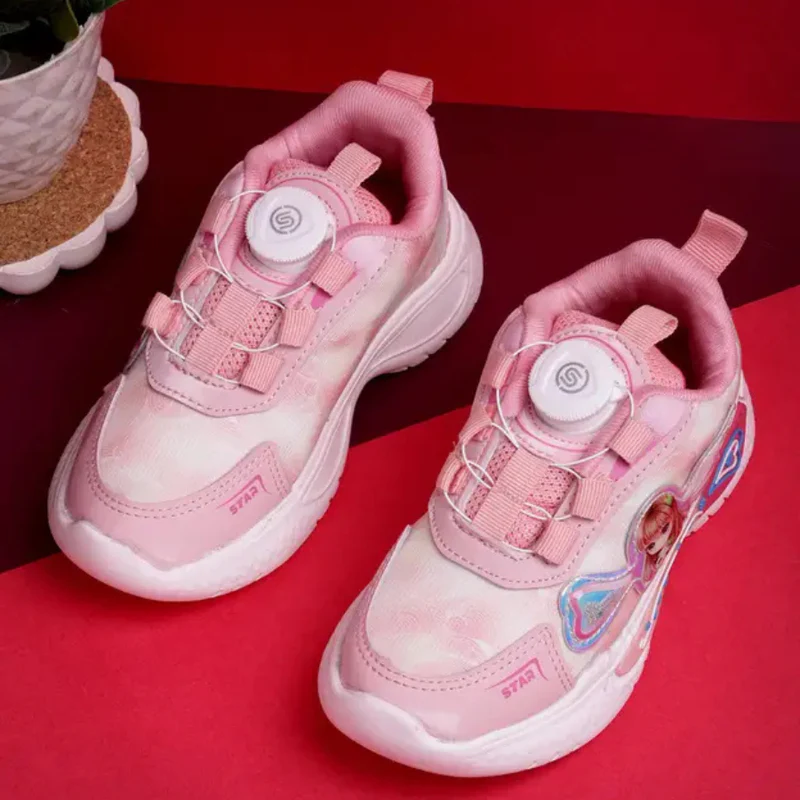
Choosing the right shoes for children is not always as simple as picking a style they like. When a child has flat feet, parents often become more careful about footwear because they want their child's feet to stay comfortable during walking, running, playing and other daily activities.
Flat feet are quite common in children, particularly during the early years when the arches of the feet are still developing. In many cases, flat feet do not cause pain or affect a child's ability to walk and play normally. However, comfortable and well-fitted footwear can make a difference, especially for children who spend long hours on their feet.
Parents looking for the best shoes for kids with flat feet may come across many different recommendations, from highly structured shoes to footwear with extra arch support. But the most expensive or heavily cushioned shoe is not necessarily the best choice. Fit, comfort, stability, flexibility and enough room for natural foot movement are all important.
This guide covers what parents should look for when choosing shoes for children with flat feet and how to select suitable footwear for school, play and everyday activities.
What Are Flat Feet in Children?
Flat feet, also known as fallen arches, refer to a foot shape where the arch along the inside of the foot appears very low or is not visible when the child is standing.
Flat feet are common among young children because their feet are still developing. Some children develop a visible arch as they grow, while others continue to have flat feet without experiencing any problems.
A child may have flat feet in both feet or only one foot. Some children have flexible flat feet, meaning the arch may become visible when they stand on their toes or lift their feet.
Having flat feet does not automatically mean that a child needs treatment or special footwear. If the child is comfortable and active without pain or difficulty, there may be no reason for concern.
Why Do Some Children Have Flat Feet?
Several factors can contribute to flat feet. In some children, the shape of the foot is simply part of their natural development. Family history and naturally flexible joints can also play a role.
For this reason, parents should avoid assuming that flat feet are always a problem. Instead, it is more useful to pay attention to how the child walks, runs and feels while wearing shoes.
Do Children with Flat Feet Need Special Shoes?
Not every child with flat feet needs special or corrective shoes. If a child can walk, run and play comfortably, ordinary well-fitted children's footwear may be enough.
A comfortable pair of shoes can still provide useful stability and protection during everyday activities. This is particularly important when children spend several hours at school, in the playground or outdoors.
However, if a child regularly complains about foot or leg pain, experiences unusual tiredness while walking, has difficulty participating in activities or has a rigid-looking flat foot, parents should consult a paediatrician or other qualified healthcare professional.
Shoes can support comfort, but they should not be treated as a replacement for professional assessment when a child is experiencing persistent symptoms.

What Should You Look for in Shoes for Kids with Flat Feet?
When choosing shoes for kids with flat feet, parents should focus on overall fit and comfort instead of looking for one specific feature.
A shoe should hold the foot securely without squeezing it. It should also provide enough room for the toes and have a sole that offers suitable stability for the child's activities.
Here are some important features to consider.
Comfortable and Proper Fit
A good fit is one of the most important parts of children's footwear. Shoes that are too tight can put unnecessary pressure on the toes, while shoes that are too loose can allow the foot to move around inside.
The shoe should feel secure without causing pressure or discomfort. Children should also be able to walk naturally while wearing them.
Supportive Heel Area
A secure heel area helps keep the foot comfortably positioned inside the shoe. This can be particularly useful for active children who spend a lot of time walking, running and playing.
The heel should stay in place without excessive slipping. At the same time, the shoe should not rub against the back of the foot.
Stable Yet Flexible Sole
A children's shoe should offer a good balance between stability and flexibility. A completely rigid sole can make natural movement uncomfortable, while an excessively soft sole may not provide enough stability.
Look for footwear that bends appropriately while still maintaining its shape during regular movement.
Enough Toe Room
Children need enough space to move their toes comfortably. A narrow front section can make shoes uncomfortable, particularly when they are worn for several hours.
Choose footwear with sufficient room around the toes without going so large that the foot slides forward inside the shoe.
Comfortable Cushioning
Cushioning can make shoes more comfortable during everyday activities. However, more cushioning does not automatically mean better footwear.
The shoe should provide a comfortable base without being unnecessarily heavy or bulky. Lightweight construction can be particularly helpful for children who are constantly moving.
Good Grip
Children spend a lot of time running and playing, so the sole should provide suitable traction. A good grip can help children feel more secure while moving across common indoor and outdoor surfaces.
This is especially important for sports shoes and everyday footwear used in playgrounds or other active environments.

Best Types of Shoes for Kids with Flat Feet
There is no single shoe type that is perfect for every child with flat feet. The right option depends on the child's age, daily routine and activities.
Parents can choose different styles for school, outdoor play, sports and casual outings while keeping comfort and fit as the main priorities.
Supportive Sneakers
Sneakers are a practical choice for everyday wear because they generally provide good foot coverage and stability.
A comfortable sneaker can be used for walking, playing, travelling and casual outings. Look for a pair that fits securely around the heel and midfoot while leaving sufficient room for the toes.
Sneakers are also available in different closure styles, making them suitable for children of different ages.
Velcro Shoes
Velcro shoes can be particularly convenient for younger children. They are easy to put on and take off and allow parents to adjust the fit without dealing with shoelaces.
For children who are learning to manage their own footwear, Velcro closures can also make getting ready for school or outdoor activities easier.
Sports Shoes
Children who regularly run, play games or participate in sports may benefit from a comfortable pair of sports shoes.
Sports footwear should have a suitable grip, comfortable cushioning and a stable construction. The shoe should also fit securely so that the foot does not slide around during movement.
Parents should select sports shoes according to the child's actual activity rather than simply choosing the most heavily cushioned option.
School Shoes
Children often wear school shoes for several hours at a time, which makes comfort especially important.
School shoes should not pinch the toes, rub the heel or feel excessively heavy. A secure closure such as Velcro or laces can help keep the shoe comfortably in place throughout the school day.
Parents should also check the fit regularly because children can outgrow their school shoes faster than expected.
Sandals and Open Footwear
Sandals can be useful during warm weather, particularly for casual outings and everyday activities where open footwear is suitable.
When choosing sandals for a child with flat feet, look for a secure fit and a sole that provides enough grip. Avoid footwear that allows the foot to slide around excessively.

How to Choose the Right Shoe Size
Even a well-designed shoe will not be comfortable if the size is wrong. Children's feet grow quickly, so parents should check the fit regularly.
Instead of choosing a larger size simply to make the shoes last longer, select a pair that fits comfortably now while allowing reasonable room for natural growth.
Measure Both Feet
One foot can sometimes be slightly larger than the other. Measure both feet and choose a size that accommodates the larger foot comfortably.
It can also be helpful to check the fit later in the day, as feet may become slightly larger after regular walking and activity.
Check the Toe Space
Ask your child to stand while checking the front of the shoe. The toes should not be pressed against the end, and the child should be able to move them comfortably.
Do not rely only on the size printed inside the shoe. Sizing can differ between brands and styles, so always consider the actual fit.
Check the Heel
Ask your child to walk around in both shoes. The heel should remain comfortably in place without excessive slipping.
If the shoe rubs against the heel or the foot moves too much inside, try another size or style.
Check the Fit with Socks
If the shoes will normally be worn with socks, have your child try them on with the same type of socks.
A shoe that feels comfortable without socks may feel tighter once socks are added. Checking the complete combination gives you a better idea of how the footwear will feel during everyday use.
Common Mistakes Parents Make When Buying Shoes for Flat Feet
Parents often receive different advice about children's footwear, particularly when their child has flat feet. Some may assume that a very rigid shoe or strong arch support is always necessary.
In reality, children with flexible flat feet who have no pain or movement problems may not need corrective footwear.
Avoid these common mistakes when buying children's shoes:
- Choosing shoes based only on appearance.
- Buying a much larger size because the child is still growing.
- Choosing footwear that feels tight around the toes.
- Assuming maximum arch support is always better.
- Buying heavy shoes that make movement difficult.
- Ignoring complaints of pain or discomfort.
- Choosing shoes with poor grip for active children.
- Waiting too long to replace shoes that have become too small.
- Assuming every child with flat feet requires medical treatment.

How Often Should You Check Your Child's Shoes?
Children's feet can grow quickly, so parents should not wait until the shoes look worn out before checking the fit.
A shoe may still look perfectly fine from the outside but become too small for the child's growing feet. Pay attention to signs such as complaints of tightness, red marks on the feet, difficulty putting shoes on or changes in the way the child walks.
Regularly checking the size and condition of the footwear can help ensure that children continue to have enough room and comfort.
Parents should also inspect the soles and closures. Worn-out soles, damaged straps or loose stitching can affect how securely the shoe fits.
When Should You Consult a Doctor About Flat Feet?
Flat feet alone are not necessarily a reason for concern. Many children with flexible flat feet remain active and comfortable without needing treatment.
However, parents should seek professional advice if the child experiences persistent symptoms or changes in normal movement.
Some signs worth discussing with a healthcare professional include:
- Frequent foot or ankle pain.
- Pain after normal walking or playing.
- Difficulty walking or running.
- Frequent complaints of tired legs.
- A noticeable difference between the two feet.
- Stiffness in the feet.
- Problems participating in normal physical activities.
- A walking pattern that appears unusual or has recently changed.
A healthcare professional can assess the child's feet and determine whether further treatment or support is needed.
Choosing Shoes According to Your Child's Daily Activities
The best shoes for kids with flat feet are not necessarily the same for every situation. A child may need different footwear depending on what they do during the day.
For school, comfortable and secure shoes are important because they may be worn for several hours. For outdoor play, sneakers or sports shoes with suitable grip can be a practical choice.
For casual outings, lightweight shoes can provide comfort without making the feet feel restricted. During warmer weather, breathable sandals can also be considered when appropriate.
The key is to choose footwear according to the activity rather than expecting one pair to work perfectly for everything.
Why Comfort Should Come First
Children are naturally active. They walk, run, jump, climb and play throughout the day, often without thinking about how much movement their feet are handling.
That is why comfort should be one of the first things parents consider when choosing children's footwear. A child should not constantly notice their shoes while playing or walking.
Well-fitted footwear can help children move comfortably and confidently through their everyday routine. It should feel secure without being restrictive and provide enough room for natural foot movement.
For children with flat feet, the focus should be on finding footwear that fits properly and feels comfortable rather than trying to force the foot into a particular shape.

Best Shoes for Kids with Flat Feet: Final Buying Checklist
Before purchasing a pair of shoes for a child with flat feet, parents can quickly check the following points:
- Is the shoe the correct size?
- Is there enough room for the toes?
- Does the heel stay comfortably in place?
- Is the shoe lightweight enough for the child?
- Does the sole provide suitable grip?
- Is there a good balance between flexibility and stability?
- Does the shoe feel comfortable after walking?
- Is the closure secure and easy for the child to use?
- Is the footwear suitable for the child's daily activity?
- Does the child experience any pain or discomfort while wearing it?
If the answer to these questions is yes, the shoe is likely to be a much more practical choice than simply selecting footwear because it has extra arch support.
Conclusion
Finding the best shoes for kids with flat feet starts with understanding that every child's feet are different. Flat feet are common during childhood, and many children with flexible flat feet can walk, run and play normally without needing specialised footwear.
For most parents, the priority should be a comfortable fit, enough toe room, a secure heel, suitable cushioning, good grip and a sole that provides a balance of stability and natural movement.
Children's footwear should also match their everyday activities. Sneakers can work well for regular wear and outdoor play, sports shoes can be useful for active children, while comfortable school shoes can make long school days easier on little feet.
Most importantly, parents should pay attention to their child's comfort. If flat feet are accompanied by ongoing pain, difficulty walking or other concerns, professional medical advice is more appropriate than simply changing shoes.
With the right fit and comfortable design, children can continue to walk, run and play with confidence while parents can feel more comfortable about their everyday footwear choices.
Read Also This Blog
When to Replace Kids’ Shoes: 10 Signs Every Parent Should Check

Share:
When to Replace Kids’ Shoes: 10 Signs Every Parent Should Check
Best Shoes for Kids with Ankle Support: What Parents Should Look For